.svg)
Why UX Design Matters for Startups in 2026
.png)
Starting a company is exciting. You have an idea you believe in and a product you’re eager to bring into the world. But once people start using it, you begin to notice something you didn’t expect, users don’t always move through the product as easily as you thought they would.
From working with startups at NUUX Design Studios, we often see the same pattern; people sign up, explore, then hesitate or drop off. Not because the idea is bad, but because the experience gets in the way. Building the product is one thing; getting people to use it without friction is another.
Small details shape how people experience a product. How quickly someone understands what to do, how easily they move through it, and how smooth the first interaction is. When these things work well, users stay. When they don’t, users leave. This is why UX design for startups plays a critical role in growth.
For startups with limited time and resources, these details matter. The way your product works for users can determine whether it grows or gets overlooked. In this post, you’ll learn why UX matters, how it impacts growth, and simple ways to improve your product experience.
Understanding UX Design: The Basics for Startup Founders
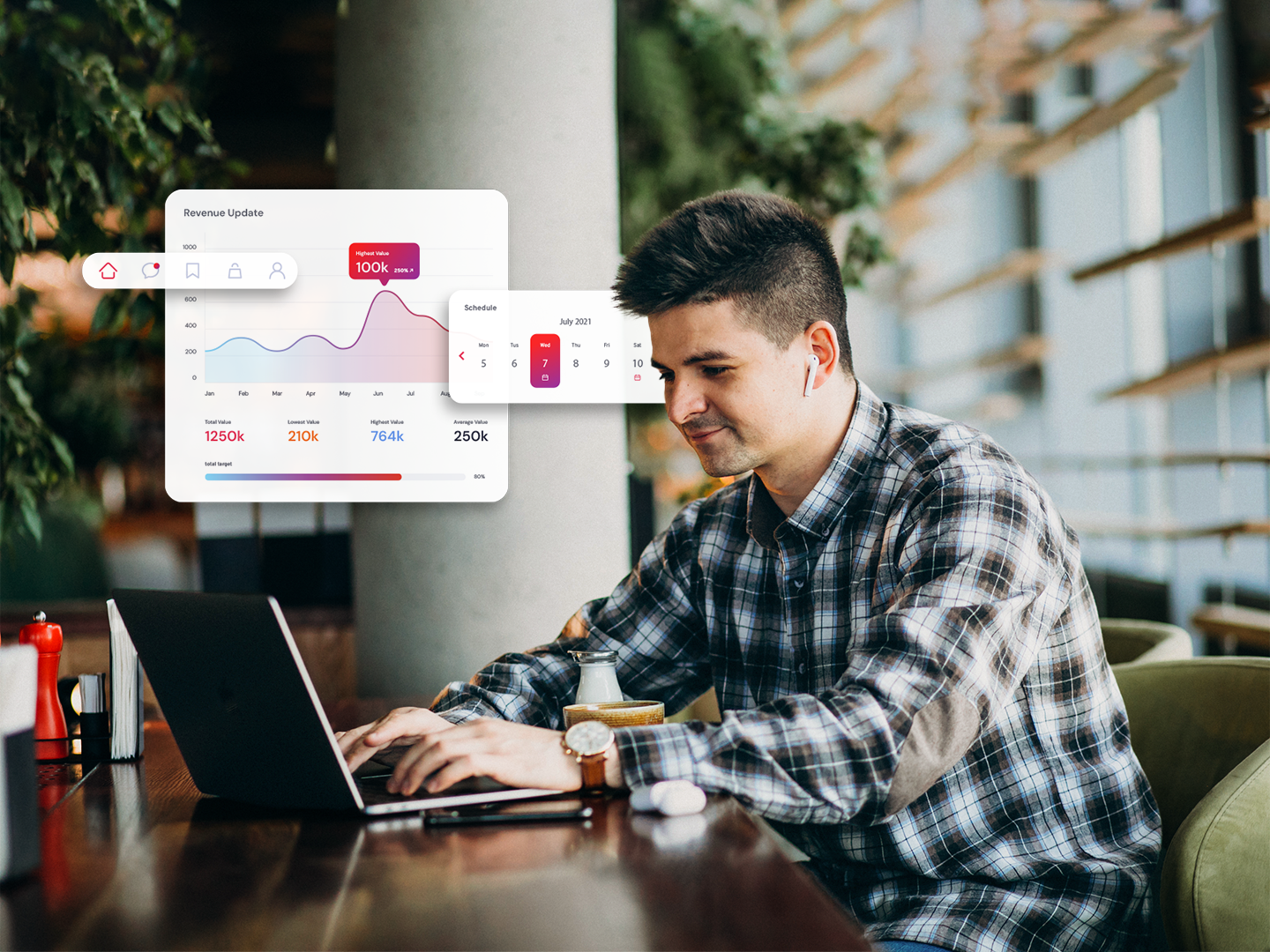
It’s easy to confuse UX and UI because both are closely connected, but they are not the same thing. UI (User Interface) focuses on the visual side of a product; the colors, layouts, buttons, and typography people see. UX (User Experience) is about how the product actually feels to use.
When someone opens a product for the first time, the experience begins immediately. Can they understand what to do without thinking too hard? Can they move through the product without getting stuck? Are simple actions effortless?
All of these interactions shape how people experience a product.
The idea of user experience has been around for decades. In the 1990s, cognitive scientist Don Norman, who worked at Apple, helped popularize the term “user experience.” He described it as the complete interaction people have with a product, not just how it looks, but how it works and how it makes people feel.
Yet many startups overlook this in the rush to launch quickly. Founders often focus on building features and getting a minimum viable product (MVP) into the market. When usability is pushed aside, users notice. In fact, 88% of users are less likely to return after a poor online experience.
For startups trying to grow their user base, that kind of loss can matter a lot. This is why UX design for startups plays such an important role in building products that people understand, trust, and want to keep using.
Key Reasons Why UX Design Is Essential for Startup Success
Understanding UX is one thing. Seeing how it directly impacts startup growth is another. Here are some of the most important ways UX design helps startups succeed.
1. It Boosts User Retention
Acquiring users is expensive, so keeping them matters.
When users find a product easy and enjoyable to use, they are far more likely to stay. But when the experience feels confusing, they quickly move on to alternatives.
For startups competing with larger companies, retaining users is critical. Good UX reduces friction and helps people feel comfortable using a product.
2. It Improves Conversion Rates
Conversion rate is one of the most important metrics for any startup. Growth often depends on simple actions users take: signing up, starting a free trial, or completing a purchase. When a product is easy to use, people are naturally more willing to move forward.
That’s where user experience makes a real difference. Strong UX design can increase conversion rates by up to 400%.
Simple improvements like clearer navigation, faster loading pages, and smoother onboarding help remove the friction that often stops users from taking the next step. When people can move through a product without having to stop and figure things out, completing those actions starts to become effortless.
3. It Reduces Development Costs
Many startups only discover problems with their product after it has already launched. By that point, fixing those issues can become expensive, often requiring redesigns, additional development time, and resources that early-stage companies may not have planned for.
UX research helps surface these problems much earlier. Through user testing, interviews, and simple prototypes, startups can see how real people interact with their product before too much time is spent building the wrong thing. In fact, every $1 invested in UX research can save up to $100 in development costs later.
Catching problems early allows startups to make adjustments while the product is still evolving, preventing unnecessary rework and helping teams build with greater confidence.
4. It Builds Trust and Brand Loyalty
Trust is one of the hardest things for startups to earn. Users need to feel confident that a product will work the way they expect.
A clear interface, simple onboarding process, and smooth user journey all contribute to building that trust.
When UX is done well, it strengthens relationships between the product and its users.
5. It Creates a Competitive Advantage
Startups often enter markets where larger companies already have recognition, bigger teams, and more resources. Competing in that environment can seem difficult at first. But the experience a product offers can sometimes matter more than the size of the company behind it.
When a product is easy to understand, simple to navigate, and straightforward to use, people notice. They remember it, recommend it, and often choose it over alternatives that may be more established but harder to use.
This is one reason design has become such a powerful advantage. Companies that prioritize design have been shown to outperform the S&P 500 by over 200%.
For startups, thoughtful UX design can become the thing that sets them apart, helping them stand out not because they are bigger, but because their product is simply easier and clearer for people to use.
Real-World Case Studies: UX Success Stories from Startups
Many of today’s most successful companies owe part of their growth to strong user experience design.
Airbnb
In its early days, Airbnb struggled to attract users. One of the key problems was the quality of listing photos on the platform.
The company redesigned its experience to emphasize high-quality visuals, clearer navigation, and trust-building features like reviews and transparent pricing. These changes helped increase user engagement and played a major role in Airbnb’s growth.
Dropbox
Dropbox succeeded by focusing on simplicity. Instead of overwhelming users with complex features, the product emphasized ease of use.
The clean interface and straightforward onboarding process made it easy for people to understand the service immediately. This clarity helped Dropbox attract millions of users and expand rapidly.
Spotify
Spotify’s UX is built around personalization. Features like curated playlists and recommendation algorithms help users quickly discover music that matches their listening habits.
Personalization plays a major role in engagement today, with 90% of users more likely to interact with personalized experiences. It shows how thoughtful user experience can strengthen engagement and help products build lasting communities.
How to Implement UX Design on a Startup Budget
Many founders assume UX design requires large budgets or big design teams. In reality, startups can improve user experience with practical steps that focus on understanding users and refining the product over time.
Start with User Research
Before building new features, start by listening to users. Simple surveys, short interviews, or feedback forms can reveal where people struggle and what they actually need. Even basic tools like Google Forms or in-product feedback widgets can provide valuable insights.
Focus on the Core User Journey
Not every feature needs to be perfect at launch. What matters most is making the key actions in your product clear and easy. Prioritize the tasks users perform most often, such as onboarding, searching, or completing a purchase. Improving these core flows often has the biggest impact.
Test and Iterate
UX design improves through continuous testing and small adjustments. A/B testing allows startups to compare different versions of a feature and see which one works better for users. Over time, these improvements can significantly strengthen the overall experience.
Optimize for Mobile
Mobile experience is now essential. More than 50% of global web traffic comes from mobile devices, and users quickly leave sites that don’t work well on smaller screens.
Making sure your product works smoothly across devices should be a priority for any startup building digital products today.
Common UX Mistakes Startups Make (and How to Avoid Them)
Even with the best intentions, startups sometimes make UX decisions that make products harder to use. Recognizing a few common pitfalls can help teams avoid problems before they affect users.
Ignoring Mobile Experience
A product might work well on a desktop but become difficult to navigate on mobile. Responsive design helps ensure the interface adapts smoothly across different screen sizes.
Adding Too Many Features
Early-stage startups sometimes try to include too many features at once. Too many options can overwhelm users, while simpler products are often easier to understand and use.
Skipping User Feedback
Founders may believe they already know what users want, but real feedback often reveals challenges that weren’t obvious at first. Regular testing and user input help keep products aligned with real needs.
Slow Page Speed
When a product takes too long to load, users rarely wait around. Improving performance and reducing loading time helps keep people engaged and makes the overall experience smoother.
Invest in UX Design to Future-Proof Your Startup
Behind every product are people trying to get something done without unnecessary effort. When that process is smooth, people keep using the product.
Many startups, however, struggle to see where things are breaking down. Users don’t always follow the path you expect, and it can be difficult to pinpoint what’s holding them back. From our work at NUUX Design Studios, these gaps are often subtle but have a strong impact on how people move through a product.
We help uncover those hidden blockers and refine the experience so users can move through key actions more naturally.
Startups that take this seriously early on tend to build stronger, more reliable products over time. In many cases, what separates products people try from those they keep using comes down to how well the experience supports them.
.svg)


.jpg)
.jpg)

.svg)

.svg)

.svg)
