.svg)
.svg)

In 2026 a business website from a UI/UX design agency typically runs from the low five figures for a focused project to well past $50,000 for research-led work. Two agencies can quote $30,000 apart on the same brief without either being wrong.
Two agencies can look at the exact same project brief and come back with quotes $30,000 apart. Neither one is lying, and neither one is necessarily overcharging. They're just pricing different assumptions about scope, research, and what "design" actually includes. For a business owner trying to budget for a new website or a redesign, that gap is confusing and a little stressful, especially when every quote seems to explain itself differently.
This guide walks through what UI/UX design agencies actually charge for a business website in 2026, broken down by project type and pricing model, what typically drives a number up or down, how long the work realistically takes, and the costs that tend to get left out of a first quote. By the end, there should be enough here to tell a fair price from an inflated one, and to walk into a pricing conversation with an actual sense of what to expect instead of a guess.
What Actually Determines the Price
Design pricing isn't random. A handful of factors consistently explain why two projects that look similar on paper end up costing very different amounts.
- Number of pages and screens. A five-page marketing site takes far less design work than a site with gated content, dashboards, or custom booking flows.
- Research depth. Agencies that run interviews, competitor audits, or usability testing before designing anything will charge more than ones that skip straight to visuals.
- Platform. Building on Webflow, WordPress, or a custom stack changes both the design and development hours involved.
- Number of revision rounds. Unlimited revisions built into a quote almost always inflate the price.
- Industry and compliance needs. A healthcare or finance site with accessibility and data privacy requirements takes more design care than a standard marketing site, and costs reflect that.
- Agency size and location. A three-person boutique studio and a fifty-person agency with account managers are pricing very different overhead into the same hour of design work.
The Three Pricing Models
.jpeg)
Most agencies price their work one of three ways, and each comes with a different level of predictability.
Project-based pricing is the most common model for a first engagement with a new agency because it gives both sides a fixed number to plan around before work starts. Retainers tend to make more sense once a business already has a site live and just needs ongoing design support.
What a Business Website Actually Costs in 2026
Enterprise pricing guides throw around numbers like $150,000, which has almost nothing to do with what a small or mid-sized business actually pays for a marketing website. Here's a more realistic breakdown.
Hourly rates generally fall between $100 and $250 for US and Canada-based agencies, with boutique studios often sitting toward the lower end of that range and full-service agencies with larger teams sitting higher. Offshore teams can run as low as $25 to $75 an hour, though quality and communication consistency vary widely at that price point.
How Long a Project Takes
Timeline and price move together, so it helps to know what's realistic before setting expectations, especially since a rushed website redesign timeline is one of the most common reasons a project runs over budget. A simple 5 to 8 page marketing site typically runs 4 to 6 weeks from kickoff to launch, covering discovery, wireframes, UI design, and development. A standard small business website redesign, the most common project size agencies quote for, usually takes 6 to 12 weeks once research, a design phase, and development are factored in. Sites with e-commerce, custom integrations, member portals, or booking systems can stretch to 14 weeks or more, since each of those adds its own layer of UX design and testing.
The biggest factor in whether a project stays on schedule isn't the agency, it's how quickly a business provides content and feedback. Clutch's agency benchmarking data points to the same pattern across the industry: projects with slow content turnaround or delayed stakeholder sign-off routinely run 30 to 50 percent longer than quoted. That matters for pricing too, since a longer timeline often means more project management hours, which is one of the quieter ways a UI/UX design agency's cost can creep upward mid-project. Locking in content and a feedback schedule before kickoff is the single easiest way to protect both the budget and the launch date.
What Should Actually Be Included in That Price
A low quote that skips steps almost always costs more later in rework, which is why understanding what belongs in a UI/UX design agency's pricing matters as much as the number itself. A properly scoped project should include research or a lightweight UX audit before any screens get designed, since this is the step that uncovers what's actually broken or missing before money gets spent designing around the wrong problem. From there, a fair quote covers wireframes that map out structure before visuals, a full UI design pass, mobile and responsive testing across devices, and a clean handoff to development so nothing gets lost in translation between design and build.
If a quote skips straight from "kickoff call" to "final design," that's usually a sign the agency isn't doing the research that prevents an expensive redesign a year later. This is also where the real cost difference between a template-based site and a properly designed business website shows up. Two proposals can list the same dollar amount and cover completely different scopes, so it's worth asking exactly which of these stages are included before comparing price against price.
Hidden Costs to Budget For
Even a well-scoped quote can leave out a few line items that show up later, and these hidden costs are one of the most common reasons a website redesign budget runs over. It helps to ask about each of these upfront rather than after the invoice arrives.
- Stock assets and licensing. Premium fonts, icons, and stock photography aren't always bundled into the base UI/UX design price, and licensing fees can add a few hundred dollars depending on how much custom imagery the site needs.
- Usability testing. Recruiting real users for testing sessions, whether that's five people or fifty, is sometimes billed separately from the core design work, even though it's one of the most valuable parts of the process.
- Extra revision rounds. Most contracts include two to three rounds per deliverable. Anything beyond that is usually billed as additional work, so unclear feedback early on can quietly add cost later.
- Post-launch maintenance. Updates, small fixes, and content changes after launch are often a separate monthly line item, not part of the original quote, which catches a lot of business owners off guard right after their site goes live.
A reasonable rule of thumb is to set aside an extra 10 to 15 percent on top of the quoted design cost for items like these, so they don't turn into a surprise mid-project. Asking an agency directly what isn't included in their number is usually the fastest way to get a true picture of the total cost before signing anything.
How Payment Structures Typically Work
Most UI/UX design agencies split payment into milestones rather than asking for the full amount upfront or waiting until launch, and understanding this structure ahead of time makes it much easier to plan cash flow around a website project. A typical project-based payment schedule looks like this:
- Deposit (30 to 50 percent). Paid to begin work and secure a spot on the agency's schedule.
- Design approval payment. Due once wireframes and UI design are reviewed and signed off.
- Final payment. Due at launch or developer handoff, once the project is delivered.
Splitting the cost this way protects both sides: the agency isn't carrying the full cost of the work before it starts, and the business isn't paying in full for a project that hasn't been delivered yet.
Retainer-based pricing works differently. Instead of milestone payments tied to deliverables, retainers are billed monthly, usually in advance, since the agreement covers ongoing design support rather than a single fixed deliverable. This is the structure most businesses move to after their initial site or redesign is live and they need continuous updates rather than a one-time build.
Before signing anything, it's worth confirming a few specifics in writing:
- What happens to the deposit if the project is paused or cancelled partway through
- Whether unused retainer hours roll over to the next month
- What the refund policy looks like if either side needs to walk away
These terms vary a lot between agencies, and asking about them before the contract is signed avoids an uncomfortable conversation later if plans change.
Agency vs Freelancer: Why the Cost Gap Exists
Freelancers are almost always cheaper on paper, and for a very small, well-defined project like a single landing page or a light visual refresh, that can be the right call. The bigger question most business owners are actually asking when they compare a UX design agency vs freelancer isn't just about the hourly rate, it's about what happens when the project gets more complicated than expected.
The price gap between a freelancer and an agency usually comes down to who's doing the work and how much risk sits on either side:
- Freelancer. Typically one person handling research, design, and sometimes development all at once. This can work well for a simple, tightly scoped project, but leaves little room if something outside their core skill set comes up.
- Agency. Brings a full team instead: a designer, a strategist, and often a developer, each contributing their own expertise, along with defined processes for feedback rounds, quality testing, and project delivery. That structure also tends to keep larger or higher-stakes projects on schedule, since more than one person is accountable for the outcome.
Whether that premium is worth paying comes down to the size and risk of the project. A quick landing page rarely needs a full team behind it. A business's primary website, one that needs to generate leads, support paid ads, and represent the brand for the next few years, usually benefits from the added structure an agency provides, even at a higher cost upfront.
Red Flags: When a Quote Is Too Low or Too High
A quote that's dramatically below market range is worth a second look. It often means no research phase, a single round of revisions, or a template being lightly customized rather than a real design process. On the other end, a quote well above the ranges here isn't automatically a scam, but it should come with a clear explanation of what's driving the extra cost, whether that's compliance requirements, a much larger scope, or a senior-only team.
How to Get a Quote You Can Actually Trust
.jpeg)
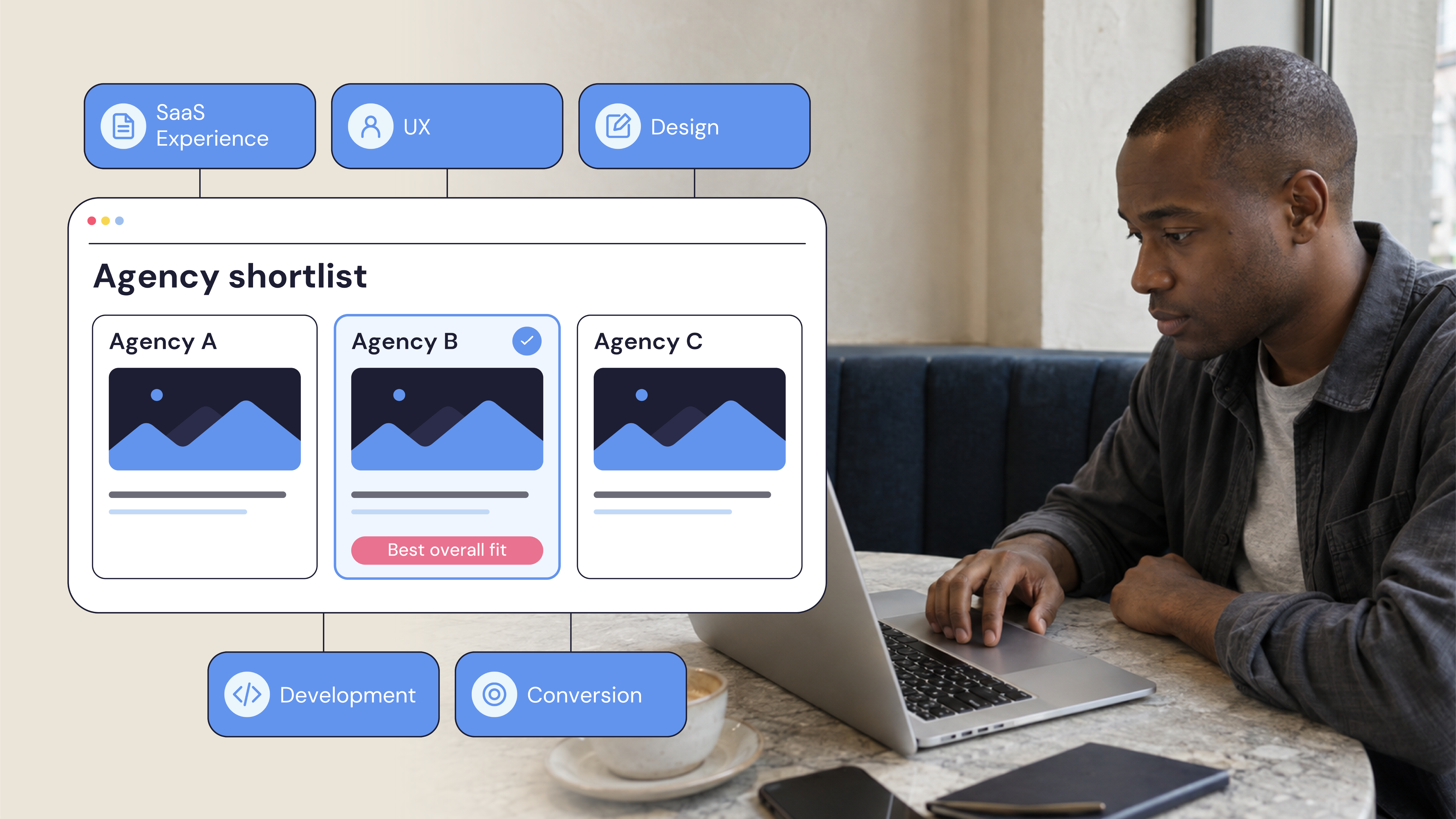
Before requesting quotes, write down the actual scope: number of pages, whether the site needs custom functionality, and what platform it will live on. Ask every agency the same questions: what's included in the price, how many revision rounds are built in, what the payment schedule looks like, and what happens if the scope changes mid-project. Agencies that answer clearly and specifically are usually the ones that price honestly. Vague answers to direct questions are a bigger warning sign than the number itself.
What It Actually Costs to Skip UX Design
.jpeg)
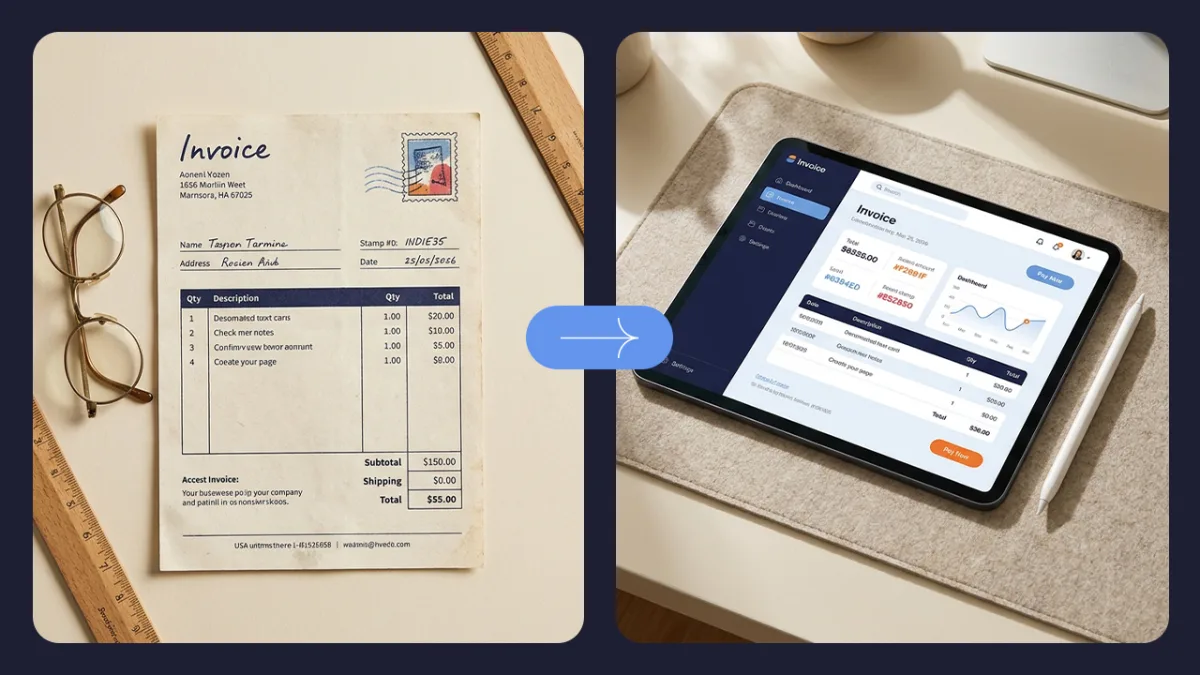
The cheapest quote isn't always the cheapest outcome. A site built without proper user experience work tends to show up later as high bounce rates, confusing navigation, and a website that isn't converting the traffic it gets. When NUUX rebuilt the website and ordering flow for Chin Chin, a restaurant client, the redesign was built around the actual customer journey rather than just a visual refresh, and it helped drive over $150,000 in revenue in the first year. That's the real argument for paying for proper UX work upfront: it isn't the design itself that's expensive, it's rebuilding a site a second time because the first one wasn't built around how people actually use it.
How NUUX Prices UI/UX Design Projects
NUUX prices most business website projects on a project-based model, so the scope, page count, and platform (often Webflow) get defined upfront, before any design work begins, rather than billing hour by hour as the project unfolds. That starts with a scoping conversation focused on understanding the actual problem the site needs to solve, not just how it should look, since a homepage that photographs well but doesn't guide visitors toward booking a call or making a purchase isn't solving anything.
That approach is also why the quote itself tends to hold up. Because the research and scope get worked out before a number is attached, there's less room for the kind of mid-project surprises that push a budget past what was originally agreed. For a business trying to decide between a full rebuild and a lighter, more targeted fix, that same scoping conversation is usually the fastest way to walk away with an honest number instead of a guess.
Want results like this
Your website should make money, not excuses. Let us find the revenue hiding in your current experience.
FAQs
Quick answers to the questions we hear most about website conversion and UX design.
Most US-based agencies charge between $100 and $250 per hour.
Most small business redesigns fall between $5,000 and $40,000, depending on page count and complexity.
For a site expected to generate leads or sales, yes, since agencies bring research and testing that reduce the risk of an expensive redesign later.
Different agencies assume different scopes, research depth, and revision rounds, even when the brief looks identical on paper.
Most small business redesigns take 6 to 12 weeks from kickoff to launch.
Related articles
More field notes on conversion, UX, and building websites that sell.